Scaffold Netting A Practical Guide for Safer and Smarter Construction Sites
Construction sites look busy. They sound busy. They feel busy. With all that action, safety must stay sharp. Scaffold netting plays a quiet yet powerful role in keeping sites secure, clean, and compliant. Many people see it every day but few understand its value. This article explains Scaffold Netting in a clear and friendly way. You will learn how it works, why it matters, and how it supports safety standards across modern construction projects.
This guide follows search engine best practices, uses trusted industry facts, and keeps the tone human. You may even smile once or twice. Safety does not need to sound boring.
What Is Scaffold Netting
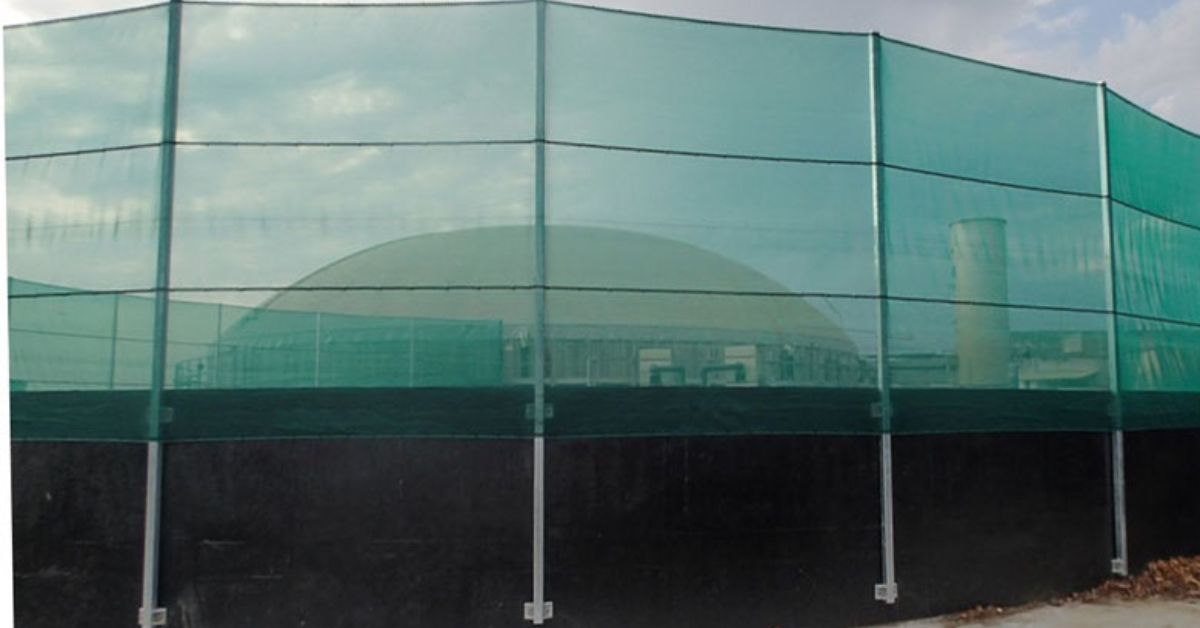
Scaffold netting is a protective mesh installed around scaffolding structures. It acts as a barrier between the work area and the outside environment. Workers use it to prevent debris from falling. It also helps control dust and limits access to dangerous zones.
Most netting uses high density polyethylene or similar durable materials. Manufacturers design it to resist weather, tension, and tearing. Builders can reuse quality netting many times when they handle it well.
Why Scaffold Netting Matters on Construction Sites
Construction involves risk. Gravity never takes a day off. Scaffold netting reduces hazards by containing loose materials and tools. It protects workers below and pedestrians nearby.
According to safety guidance from the Occupational Safety and Health Administration and the Health and Safety Executive in the United Kingdom, falling objects rank among the most common causes of serious site injuries. Scaffold netting addresses this risk directly.
It also improves site appearance. A tidy site builds trust with clients and local communities. Nobody likes walking past flying dust clouds.
Key Benefits of Scaffold Netting
Improved Worker Safety
Safety leads the list. Netting stops small tools, bricks, and debris from falling. Workers feel more confident when they know protection surrounds them. Confidence improves focus. Focus improves results.
Public Protection
Construction sites often sit near roads, homes, and shops. Scaffold netting creates a physical shield between work and public spaces. This barrier lowers the chance of accidents involving pedestrians or vehicles.
Dust and Debris Control
Dust spreads fast. It irritates lungs, coats nearby buildings, and annoys everyone. Scaffold netting limits dust movement and keeps the work zone cleaner. Environmental agencies support dust control measures for this reason.
Weather Management
Strong wind can turn loose materials into dangerous projectiles. Netting reduces wind impact and helps keep materials in place. It also provides some shade and rain control, which helps maintain work quality.
Regulatory Compliance
Many regions require protective measures on scaffolding. Authorities such as Singapores Building and Construction Authority emphasize site safety and environmental protection. Scaffold netting helps projects meet these expectations.
Types of Scaffold Netting Used Today
Standard Debris Netting
This type focuses on catching falling objects. It uses a tight weave with strong tensile strength. Builders use it on most general construction projects.
Flame Retardant Netting
Fire safety matters on sites with welding or hot work. Flame retardant netting meets fire resistance standards set by recognized testing bodies. It does not ignite easily and slows flame spread.
Shade and Privacy Netting
Some projects require privacy or reduced visibility. Shade netting limits sun exposure and blocks direct sight lines. Workers appreciate the cooler environment, especially in warm climates.
Sound Reduction Netting
Noise complaints can delay projects. Specialized netting helps absorb sound and reduce noise escape. While it does not create silence, it softens the impact on nearby areas.
How Scaffold Netting Supports Site Productivity
Safety and productivity work together. When workers feel safe, they work better. Scaffold netting reduces interruptions caused by accidents or complaints.
Clean sites also improve workflow. Less dust means better visibility. Better visibility leads to fewer mistakes. That saves time and money.
Project managers also gain peace of mind. Fewer incidents mean fewer reports and fewer delays. Everyone sleeps better. Even the site supervisor.
Proper Installation Makes All the Difference
Secure Fixing
Installers must fix netting tightly to the scaffold frame. Loose netting flaps in the wind and loses effectiveness. Strong ties and regular spacing keep it secure.
Correct Coverage
Netting should cover all exposed sides where risks exist. Gaps defeat the purpose. Installers should inspect coverage before work begins each day.
Regular Inspection
Wear and tear happens. Teams should inspect netting regularly for holes or loose areas. Prompt repairs maintain protection levels.
Guidelines from construction safety authorities stress routine inspection as a core safety practice.
Common Mistakes to Avoid
Some mistakes appear often. Avoiding them saves trouble later.
Using damaged netting increases risk. Overstretching netting weakens it. Ignoring weather conditions during installation causes failures.
Another common issue involves poor training. Workers should understand why netting matters. When people respect safety tools, they treat them better.
Scaffold Netting and Environmental Responsibility
Construction affects the environment. Dust, waste, and noise all matter. Scaffold netting helps reduce these impacts.
Environmental agencies support measures that limit airborne particles. Cleaner air benefits workers and communities alike.
Reusable netting also supports sustainability. Many manufacturers design netting for multiple uses, which reduces waste.
Choosing the Right Scaffold Netting Supplier
Quality matters. Reliable suppliers follow safety standards and provide tested products. Look for suppliers that meet recognized certifications and testing protocols.
Ask about material strength, fire resistance, and durability. Reputable suppliers provide clear product information. Transparency builds trust.
While price matters, safety should come first. Cheap netting that fails costs more in the long run.
Scaffold Netting in Singapore and Regional Standards
Singapore enforces strict construction safety standards. Authorities focus on worker safety and public protection. Scaffold netting plays a key role in meeting these requirements.
Industry guidelines encourage protective barriers around scaffolding. Contractors who follow these practices reduce risk and improve compliance outcomes.
These standards align with global best practices promoted by international safety organizations.
The Human Side of Scaffold Netting
People often overlook simple tools. Scaffold netting does not beep, blink, or buzz. It just works.
Workers trust it every day. Families trust it when they walk past a site. That trust matters.
A safe site sends a message. It says the builder cares. It says the project respects people. That message travels far.
Trusted Sources Behind These Facts
This article draws on guidance and research from recognized organizations. These include the Occupational Safety and Health Administration, the Health and Safety Executive, and national construction authorities such as Singapores Building and Construction Authority. Industry manufacturers and safety auditors also contribute to best practice standards.
These sources support the role of scaffold netting in injury prevention, dust control, and regulatory compliance.
Final Thoughts
Scaffold netting may not steal the spotlight, but it deserves respect. It protects lives, supports productivity, and keeps projects moving smoothly.
Construction will always involve risk. Smart planning reduces that risk. Scaffold netting stands as one of the simplest and most effective tools available.
When used correctly, it turns chaos into control. That sounds like a good deal for everyone involved.